

North vs South Indian Food Explained: A Guide for the Triangle Area’s Growing Indian Dining Scene
Indian food is full of spice, color, and comfort. Yet it is not all the same. A meal from Punjab can taste quite different from one served in Tamil Nadu or Kerala.
For diners in Durham, Raleigh, and Chapel Hill, knowing a little about North Indian food and South Indian food can make the next meal more exciting. You may find a new favorite or learn why a dish you love tastes the way it does.
What Makes North and South Indian Food Different?
India has many regions and food traditions. Climate, crops, and family habits all shape what people cook. There is no single taste that sums up Indian food.
In broad terms, North Indian cuisine often features wheat breads, rich gravies, dairy, and tandoor cooking. South Indian cuisine often uses rice, lentils, coconut, tamarind, and curry leaves. These are common patterns, not strict rules. Recipes vary from home to home, and every cook has their own touch.
North Indian Food: Warm Breads and Rich Curries
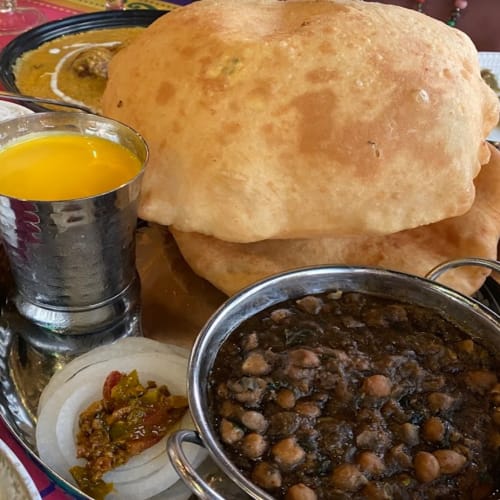
North Indian food is known for breads, slow cooked sauces, and bold spice blends. In Punjab, meals often include wheat breads, lentils, vegetables, and dishes cooked in a tandoor, a hot clay oven.
Popular North Indian Dishes
• Naan and roti: Breads served with curries, lentils, and grilled foods.
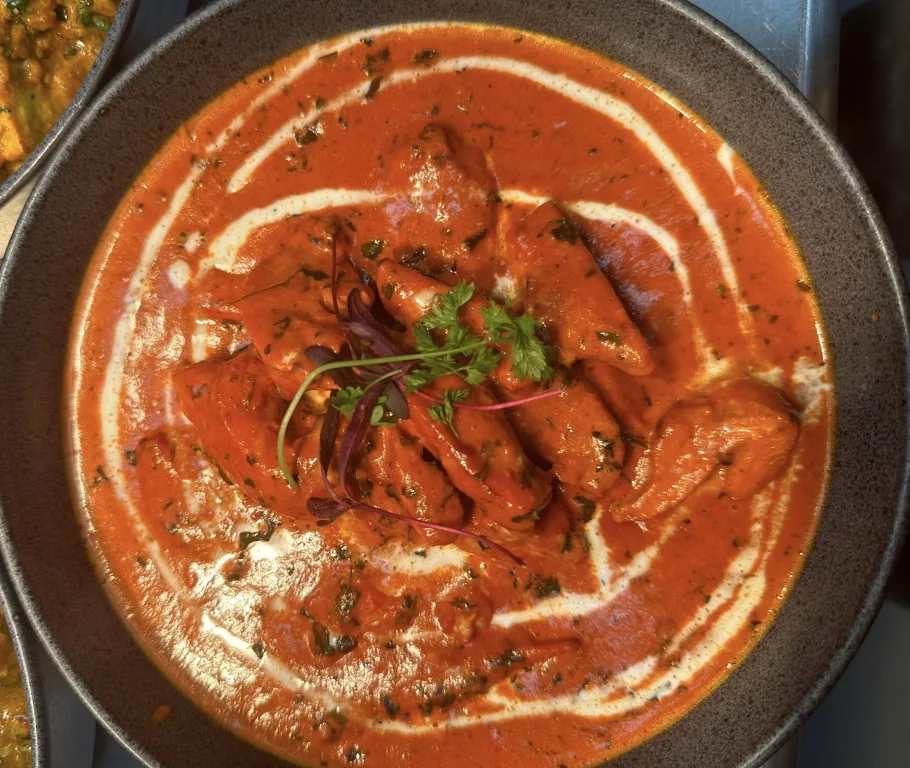
• Butter chicken: Chicken in a creamy tomato-based sauce, often served with rice or naan.
• Chole: Chickpeas cooked with spices, often paired with bread.
• Dal makhani: A slow cooked lentil dish with a rich, smooth texture.
• Biryani: Spiced rice cooked with vegetables or meat, with styles that vary by region.
These dishes can be rich, but North Indian food is not always heavy. A simple dal with roti can be an everyday meal. Spice levels depend on the recipe, too.
South Indian Food: Rice, Tang, and Crisp Bites
South Indian cooking often uses rice, lentils, coconut, tamarind, and fresh curry leaves. Fermented batters are common too, giving some foods a light tang and crisp edge.
Popular South Indian Dishes
• Dosa: A thin, crisp crepe made from fermented rice and lentil batter.
• Idli: Soft steamed cakes often served with chutney and sambar.
• Sambar: A lentil stew with vegetables and a tangy flavor.
• Rasam: A light, peppery broth that may be served with rice.
• Uttapam: A soft pancake often topped with onions, tomatoes, or other vegetables.
Coconut and tomato chutneys add flavor to many South Indian meals. Some dishes are mild, while others bring a spicy kick.
North vs South Indian Food: A Quick Guide
Here is a simple way to compare the two styles:
• Main staples: North Indian meals often feature wheat breads; South Indian meals often feature rice.
• Common flavors: North Indian gravies may use cream, yogurt, or tomatoes; South Indian dishes often use tamarind, coconut, and curry leaves.
• Cooking styles: Tandoor cooking is linked with many North Indian dishes; steaming and griddling are common in many South Indian dishes.
• Popular sides: North Indian meals may come with naan or roti; South Indian meals may include dosa, idli, chutney, or sambar.
• Spice: Both regions use spices, but the mix can differ by dish and household.
These are broad trends. Rice is eaten in the north, breads are found in the south, and many dishes cross regional lines.
How to Choose Your First Dish
Not sure where to begin? If you want a rich sauce to scoop up with bread, try a North Indian curry. If you like crisp textures and a tangy bite, dosa with chutney may be a good pick.
Try this quick guide:
1. Want comfort food? Try dal with roti or rice.
2. Love crisp bites? Look for dosa or another griddled snack.
3. Want a full meal? Biryani brings rice, spices, and other ingredients together.
4. Eating with friends? Share a few starters and compare flavors.
5. Unsure about heat? Ask which dishes are mild and which are spicy.
Tell the server what flavors you enjoy, not just how much spice you can take. You may prefer tangy, smoky, creamy, or fresh notes.
Exploring Indian Food Around the Triangle
The Triangle gives local diners ways to try Indian dishes close to home. In Durham, Urban Turban focuses on Punjabi Indian cuisine in a modern setting. Its menu includes options such as chaats, curries, biryani, tandoori starters, breads, and desserts. Check the current menu for exact dishes and availability.
If you are exploring Indian food in Durham NC, start with a dish that sounds familiar, then try something new next time. Pair a curry with naan or share a starter before the main meal.
People in Raleigh and Chapel Hill can use the same approach. Read the menu, ask about regional styles, and try a dish you have not had before. For group meals, check dietary needs and spice preferences first.
Urban Turban also offers dine in, pickup, delivery, and catering options. Visit its website to check current services, menu details, and delivery coverage before ordering.
Conclusion: One Country, Many Great Flavors
The difference between North Indian and South Indian food comes down to more than ingredients. Each region has its own cooking methods and dishes shaped by local life. North Indian meals may bring breads and rich curries to the table, while South Indian meals often highlight rice, lentils, chutneys, and crisp bites.
For Triangle diners, both styles offer plenty to explore. Start with what sounds good, share a few dishes, and keep an open mind. When you are ready to try Punjabi flavors in Durham, visit Urban Turban to view the menu and plan your next meal. Your next favorite dish might be one you have never tried before.


Leave a Comment
Comments (0)